
Pink Gin – The Fruity twist on Classic Gin
More than just a colour
It has become one of the most popular modern gin styles. Recognisable by its soft pink colour and fruity flavour profile, it offers a lighter and more approachable take on traditional gin.
While classic gin styles focus heavily on juniper and herbal botanicals, this gin often introduces vibrant fruit notes that make it smooth, refreshing and easy to enjoy.
The result is a style that appeals to both gin enthusiasts and newcomers looking for a more playful expression of the spirit.
What defines Pink Gin?
This gin is typically created by adding fruit flavours or infusions to a base gin.
These additions give the spirit both its distinctive colour and its sweeter, fruit-forward character.
Typical characteristics include:
- A pink or rosé colour
- Fruit-forward flavour profile
- Often slightly sweeter than classic gin styles
- Frequently lower alcohol content than traditional London Dry expressions
Despite the added fruit notes, the spirit still retains the core botanical base that defines gin.
Typical flavours in Pink Gin
Most of these gins highlight red or berry fruits.
Common flavour notes include:
- Strawberry
- Raspberry
- Redcurrant
- Cherry
- Rhubarb
These ingredients bring a natural sweetness and bright fruit character that softens the sharper botanical edges found in more traditional gin styles.
A brief History of Pink Gin
The original dates back to the 19th century.
At that time, the drink was created by adding a few drops of Angostura bitters to gin. The bitters gave the spirit a slight pink tint and added aromatic complexity.
Modern gin evolved much later as distillers began experimenting with fruit infusions and berry flavours. Today, it has become one of the fastest-growing gin styles worldwide.
Is this style still Gin?
Although this fruity, rosé-coloured style tastes softer and sweeter than traditional expressions, it is still considered gin as long as it follows the fundamental rules of gin production.
The spirit must still be based on neutral alcohol and flavoured predominantly with botanicals, with juniper remaining an essential component.
What makes this style different is the addition of berry or fruit infusions that soften the sharper botanical profile.
For many drinkers, this fruit-forward interpretation offers an approachable entry point into the world of gin while still preserving the core character of the spirit.
How it’s made
There are several ways producers create pink gin.
Fruit Infusion
Fresh fruits or berries are infused into the gin after distillation.
Natural Extracts
Some distillers use fruit extracts to introduce flavour and colour.
Botanical Distillation
In some cases, fruits are distilled together with traditional botanicals.
The chosen method influences how natural, sweet or intense the final flavour becomes.
How to drink Pink Gin
This gin is extremely versatile and often enjoyed in refreshing cocktails.
Popular serves include:
Pink Gin & Tonic
Served with berries or citrus garnish.
Spritz-style cocktails
Often mixed with sparkling wine or soda.
Light summer cocktails
Paired with fresh fruit or herbal garnishes.
Its fruity profile makes it especially popular in warm-weather drinks.
Around the world
Distilleries across the world now produce their own interpretations of pink gin.
From small craft producers to established gin brands, many distillers experiment with different fruit combinations and botanical balances to create unique expressions of this colourful style.
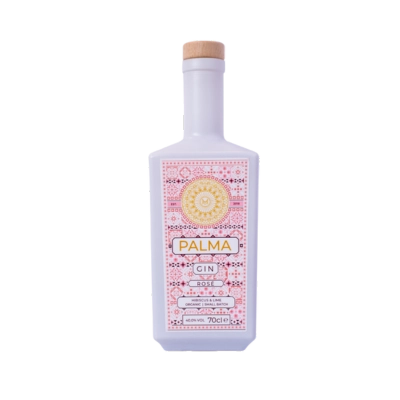
A good example of this Gin style:
Palma Rose Gin, a fruit-forward gin with vibrant berry flavours and a smooth botanical base.
Discover Other Gin Styles
– London Dry Gin
– Old Tom Gin
– Navy Strength Gin
– Aged Gin
– Sloe Gin
– Dry Gin
– Flavoured Gin