
Old Tom Gin – The missing link in Gin History
A bridge between two Gin worlds
This historic gin style sits exactly between the sweeter gins of the past and the dry expressions that later defined modern gin.
Compared to the sharp and juniper-forward profiles of contemporary styles, this version offers a slightly softer and rounder character. A touch of sweetness gives the spirit a smooth mouthfeel while still maintaining the botanical backbone expected from gin.
Because of this balance, it played a crucial role in the development of many classic cocktails.
What defines the Old Tom Gin style?
This historic style is known for its subtle sweetness and softer botanical profile.
Typical characteristics include:
- Slightly sweeter than modern dry gin
- Juniper still present but less dominant
- Rounded mouthfeel
- Often used in classic cocktail recipes
Unlike modern flavoured spirits, the sweetness is usually very subtle and intended to balance the botanicals rather than overpower them.
The story behind the name
The unusual name originates from 18th-century London.
At the time, gin was sometimes sold through wooden signs shaped like a black cat mounted outside taverns. Customers could discreetly insert a coin into the sign and receive a small measure of gin through a pipe.
These signs became known as “Old Tom” cats, and the name eventually became associated with the sweeter style of gin commonly sold during that era.
Flavour profile
Old Tom Gin offers a flavour profile that is softer than modern dry gin but still clearly botanical.
Typical flavour characteristics include:
- Balanced juniper
- Gentle sweetness
- Soft citrus notes
- Light spice and herbal complexity
The result is a gin that feels rounder and slightly smoother than drier styles.
Why Bartenders love it
Many classic cocktails were originally created using this style.
Because of its subtle sweetness, it works particularly well in drinks that benefit from extra balance.
Classic cocktails include:
- Tom Collins
- Martinez
- Ramos Gin Fizz
- Early Martini variations
Modern bartenders often return to this historic style when recreating traditional cocktail recipes.
Around the world
Today a growing number of craft distilleries produce their own interpretation of this historic gin style. While the sweetness level may vary between producers, the goal remains the same: creating a balanced gin that sits between the early sweetened gins and the crisp dry styles that followed.
A good example of this Gin style:
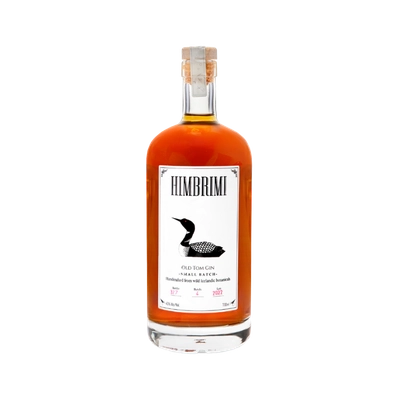
Himbrimi Old Tom Gin, a slightly sweet historic gin style that bridges the gap between early sweetened gins and modern dry gin expressions.
Discover Other Gin Styles
– London Dry Gin
– Navy Strength Gin
– Aged Gin
– Dry Gin
– Pink Gin
– Sloe Gin
– Flavoured Gin