
Best Botanicals to Combine With Citrus in Gin
Citrus such as lemon, orange and grapefruit are widely used in gin because they bring freshness and brightness to the spirit. However, citrus rarely stands alone. Distillers usually combine citrus peels with other botanicals that add balance, spice, structure or floral complexity.
Certain botanicals naturally enhance citrus flavours in gin. They can amplify freshness, add depth or create a more complex aroma profile. Understanding these combinations helps both distillers and gin enthusiasts recognise how flavour structures are built.
Below are five botanicals that work particularly well alongside citrus in gin.
1 Juniper – The Backbone That Supports Citrus

Juniper is the defining botanical of gin and naturally complements citrus flavours. The pine-like freshness of juniper creates a clean structure that allows citrus notes such as lemon, orange or grapefruit to shine without becoming too sharp.
When combined with citrus botanicals, juniper provides balance and depth. Many classic London Dry gins rely on this combination to achieve their crisp and refreshing character.
Why distillers combine juniper with citrus
- enhances freshness
- balances acidity
- strengthens the core gin character
Cocktails where this combination shines
Gin & Tonic, Martini, Tom Collins.
2 Coriander – Citrus Amplifier
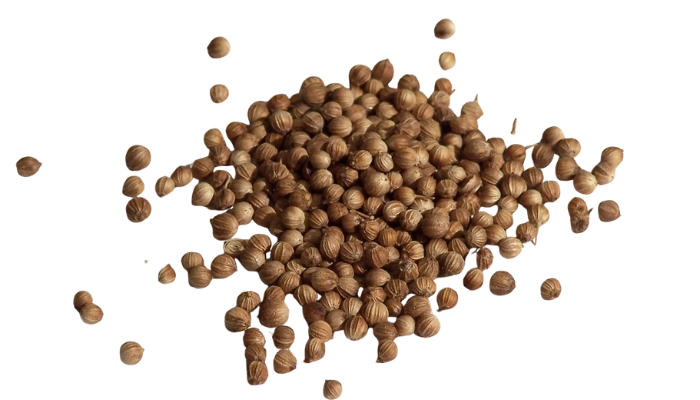
Coriander seed is one of the most common botanicals used in gin. It naturally contains citrus-like aromas, which makes it a perfect companion for lemon, orange and grapefruit.
Distillers often use coriander to enhance the brightness of citrus while adding subtle spice and complexity.
Why distillers combine coriander with citrus
- boosts citrus aromas
- adds light spice
- improves overall balance
3 Angelica Root – The Structural Botanical
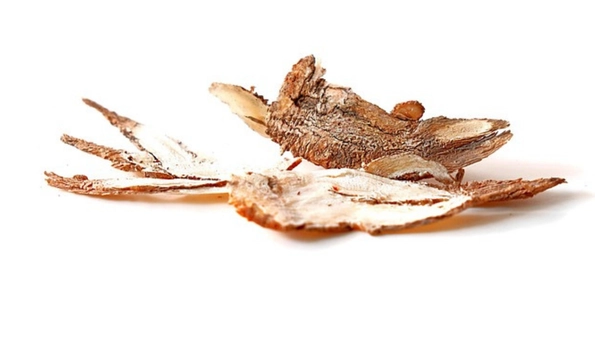
Angelica root plays a technical role in gin distillation. It acts as a binding botanical that helps other flavours come together.
When these are used, angelica root prevents them from becoming too dominant. It creates a stable flavour structure and a dry finish.
Why distillers combine angelica with citrus
- stabilises flavour structure
- prevents citrus from becoming overpowering
- adds earthy depth
4 Cardamom – Exotic Spice With Citrus Energy
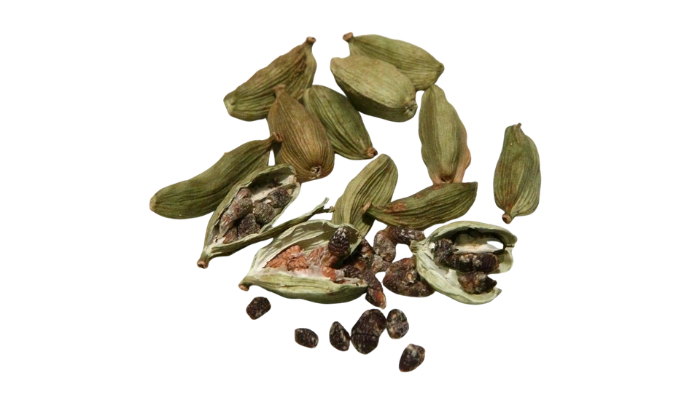
Cardamom adds warm, aromatic spice that pairs extremely well with citrus. The slightly eucalyptus-like aroma of cardamom enhances lemon and grapefruit particularly well.
This combination is common in modern craft gins that aim for a more exotic flavour profile.
Why distillers combine cardamom with citrus
- adds complexity
- creates a layered aroma
- enhances freshness
5 Pink Pepper – Floral Spice That Lifts Citrus
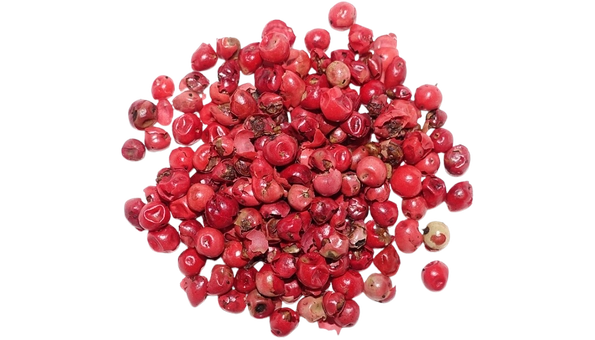
Pink pepper is increasingly used in craft gin because it offers a delicate balance between spice and floral aromas.
When combined with citrus, pink pepper lifts the aromatic profile of a gin and adds a subtle sweetness.
Why distillers combine pink pepper with citrus
- adds floral spice
- enhances aroma
- supports citrus brightness
Gins Featuring Citrus Botanicals
Many modern craft gins highlight citrus botanicals as a central flavour element.
Examples include gins that use:
- lemon peel
- orange peel
- grapefruit
- bergamot
- yuzu
These contribute to the bright, refreshing character that makes citrus-forward gins popular in cocktails such as the Gin & Tonic or Tom Collins.
How Distillers Build Citrus-Forward Gins
Creating a citrus-forward gin is not simply a matter of adding lemon, orange or grapefruit peel to the still. Distillers carefully balance citrus botanicals with other ingredients to create structure, complexity and a smooth finish.
A typical citrus-focused gin follows a flavour architecture built around three layers: foundation, brightness and complexity.
1. The Foundation
Every gin begins with a structural base. Juniper provides the classic pine and resin notes that define gin, while angelica root help bind flavours together.
Without this foundation, citrus can quickly dominate and make a gin taste thin or overly sharp.
Typical foundation botanicals include:
- Juniper
- Angelica root
- Orris root
2. The Citrus Layer
The second layer brings freshness and energy to the gin. Citrus botanicals are typically added in the form of dried peels rather than fresh fruit. This helps distillers capture aromatic oils without introducing too much acidity.
Common citrus botanicals used in gin include:
- Lemon peel
- Orange peel
- Grapefruit peel
- Bergamot
- Yuzu
These botanicals create the bright and refreshing character that many modern gins are known for.
3. The Complexity Layer
The final layer adds depth and character to the gin. This is where distillers experiment with spices, herbs and florals that enhance the citrus profile.
Examples of botanicals that add complexity include:
- Coriander seed
- Cardamom
- Pink pepper
- Chamomile
- Lavender
These ingredients help create a balanced gin where citrus notes feel vibrant but never overpower the overall flavour.
Why Citrus Gins Are So Popular
Citrus-forward gins are particularly popular because they work exceptionally well in cocktails. The bright acidity and aromatic oils complement tonic water and other cocktail ingredients, making citrus gins extremely versatile behind the bar.
Related Gin Styles
Citrus botanicals often appear in gin styles such as:
- London Dry Gin
- Contemporary Gin
- Mediterranean Gin
These styles frequently highlight citrus botanicals as a key flavour component.