
From lime and lemon to yuzu and calamansi, citrus botanicals shape the bright and aromatic side of gin.
Why Citrus Works So Well in Gin
Citrus botanicals are among the most widely used ingredients in gin. Their bright aromas and fresh acidity complement juniper perfectly, adding balance and lift to the spirit. While juniper provides the backbone of gin, citrus often creates the first impression on the nose.
Distillers use them in many forms, including dried peels, fresh zest, or distilled oils. Each method contributes different aromatic layers. Some gins lean toward classic citrus such as lemon or orange peel, while others explore more unusual fruits like yuzu or calamansi to create distinctive flavour profiles.
Citrus also plays an important role in cocktails. The natural freshness of citrus botanicals helps gin pair beautifully with tonic, vermouth, or fresh juices, making it one of the most versatile spirits behind the bar.
Lime – Fresh and Bright
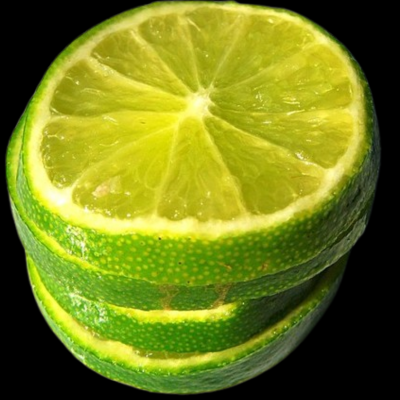
Lime brings a sharp, vibrant citrus character that instantly brightens a gin’s flavour profile. Compared with lemon, lime tends to deliver a slightly greener, more aromatic freshness, which works particularly well in modern craft gins.
Distillers often use lime peel rather than the juice itself. The peel contains concentrated essential oils that carry the fruit’s signature aroma without introducing too much acidity. When distilled, these oils create a lively top note that can lift heavier botanicals such as angelica root or coriander seed.
Lime-forward gins are especially popular in cocktails. The botanical pairs naturally with classics like the Gimlet or a Gin Sour, where the fresh citrus notes complement both sugar and acidity.
Meet Palma Gin
Yuzu – Aromatic and Complex
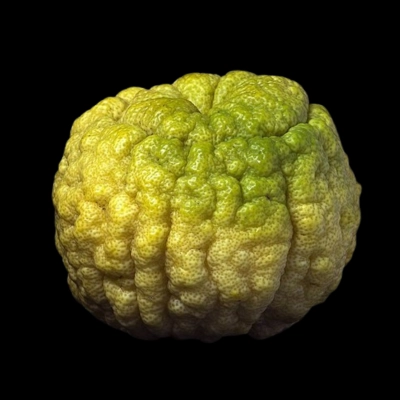
Yuzu is a unique fruit originally from East Asia and has gained popularity in premium spirits and craft gins. Its flavour is often described as a combination of lemon, mandarin and grapefruit, with an intensely fragrant aroma that stands out even in small quantities.
Because of its complexity, yuzu can add depth and elegance to gin. Distillers often use the peel or dried zest, which captures the fruit’s aromatic oils during distillation. The result is a citrus note that feels softer and more layered than traditional lemon or lime.
In recent years, yuzu has become a favourite botanical among experimental distillers looking to create modern and globally inspired flavour profiles.
Discover 135 East Gin
Calamansi – Tropical Citrus Character
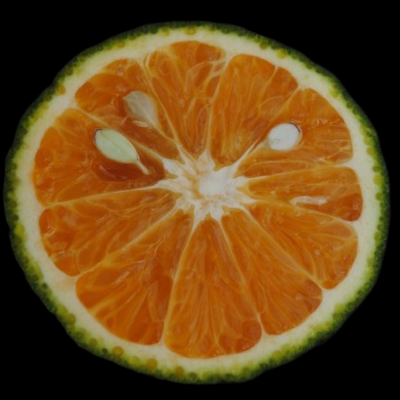
Calamansi, sometimes called calamondin, is a small citrus fruit widely used in Southeast Asia. It combines the sharp brightness of lime with a subtle sweetness reminiscent of mandarin.
In gin distillation, calamansi can add a lively tropical twist. The fruit’s aromatic peel introduces fresh citrus notes while also contributing a slightly exotic character that sets certain gins apart from more traditional profiles.
Calamansi works particularly well in gins designed for cocktails, where its balance of acidity and sweetness can enhance both refreshing highballs and more complex mixed drinks.
Discover Two Moons Calamansi Gin
How Distillers Use Citrus Botanicals
Distillers carefully choose citrus botanicals to shape the overall character of a gin. Some prefer classic citrus peels such as lemon and orange to create a traditional London Dry style, while others experiment with fruits like yuzu, bergamot or calamansi to add a modern twist.
These botanicals are typically added during distillation together with other ingredients such as juniper, coriander seed, angelica root and spices. The balance between these elements determines whether the final gin tastes crisp and fresh, warm and spicy, or floral and delicate.
Because the aromas are naturally bright and volatile, even small adjustments can have a noticeable impact on the final flavour.
Gins Featuring Citrus Notes
Many gins highlight citrus botanicals as a central element of their flavour profile. From traditional lemon and orange peel to more unusual fruits such as yuzu or calamansi, it plays a key role in shaping the character of modern craft gin.
On Gin Genie you can explore a range of gins that feature citrus botanicals, each offering its own interpretation of freshness and aroma. Some distillers focus on crisp, classic citrus notes, while others use more exotic fruits to create distinctive and memorable flavour combinations.
Explore the products below to discover gins where citrus botanicals take centre stage.
Brightness and Balance in Gin
Many distillers use bright, zesty ingredients to bring balance to a gin recipe. While juniper provides structure and depth, lighter aromatic elements can soften sharper notes and create a more refreshing overall profile.
Peels and aromatic oils from fruits such as lime, yuzu or calamansi are particularly effective in this role. They add a lively top note that lifts the aroma of the spirit without overpowering the other botanicals. Even small amounts can influence how a gin smells and tastes when first poured into the glass.
These fresh, vibrant elements are often combined with traditional botanicals like coriander seed or angelica root. The interaction between these ingredients helps distillers fine-tune the style of a gin, creating expressions that range from crisp and refreshing to soft and aromatic.
Because of their ability to add lift and clarity, these bright flavour components remain a favourite tool for distillers who want to craft a balanced and approachable spirit.