
Gin is more than just a spirit, it’s a story of craftsmanship, tradition, and innovation. From carefully selected botanicals to the final pour in a perfectly balanced cocktail, every drop of gin represents a journey of artistry. Let’s explore the process from distillation to the perfect serve.
The Craft of Distillation
At its core, gin is a neutral spirit infused with botanicals, with juniper berries taking center stage. But the process of distillation is where the magic happens.
1. The Base Spirit
Gin starts with a neutral grain spirit, typically distilled from wheat, barley, or corn. This acts as a blank canvas, allowing the botanicals to shine.
2. Selecting the Botanicals
While juniper is a must, a gin’s unique character comes from additional botanicals. These can include:
- Citrus peels (lemon, orange, grapefruit) for freshness
- Spices (cardamom, coriander, pepper) for warmth and complexity
- Herbs and florals (lavender, rosemary, chamomile) for delicate aromatics
Each distillery carefully curates a botanical blend to create a signature profile.
3. The Distillation Process
There are several methods to infuse botanicals into gin, but the two most common are:
- Steep & Boil – Botanicals are macerated in the base spirit before being distilled in a pot still, extracting deep, rich flavors.
- Vapor Infusion – Botanicals are placed in a basket above the liquid, and as the alcohol vapors rise, they capture delicate, aromatic notes.
Once distilled, the gin is cut with pure water to reach the desired alcohol level, typically between 40-47% ABV.
The Art of the Perfect Serve
A well-crafted gin deserves the perfect serve. Here’s how to elevate your gin experience:
1. Choosing the Right Glass
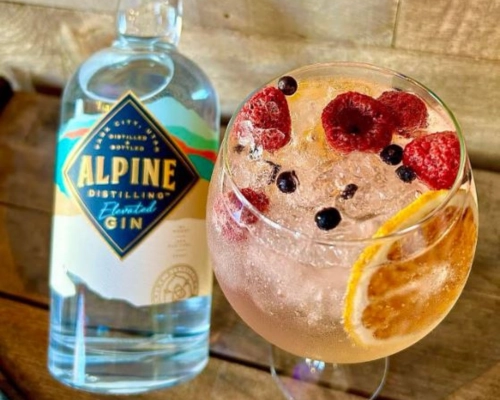
The classic Copa de Balon (balloon glass) enhances aroma and allows plenty of room for ice and garnishes. A highball glass is ideal for a more casual, refreshing serve.
2. The Ice Factor
More ice equals less dilution! Use large, clear ice cubes to keep your gin cold without watering it down too quickly.
3. Selecting the Tonic
A high-quality tonic is just as important as the gin itself. Choose a classic Indian tonic for a crisp, balanced taste, or experiment with elderflower or Mediterranean tonic for a unique twist.
4. The Garnish Game
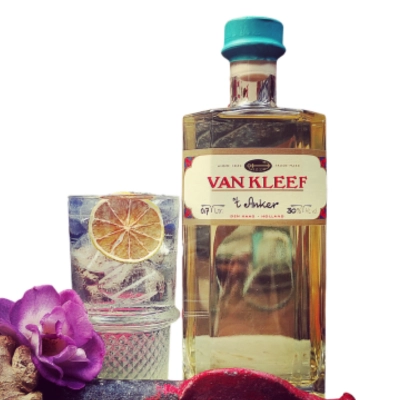
Garnishes can enhance or contrast gin’s botanical profile. Some perfect pairings include:
- Lime or lemon – Bright, zesty, and classic
- Cucumber – Refreshing and clean, perfect for floral gins
- Rosemary or thyme – Herbaceous notes for an earthy touch
- Pink peppercorns – Subtle spice for a bolder experience
Elevate Your Gin Experience
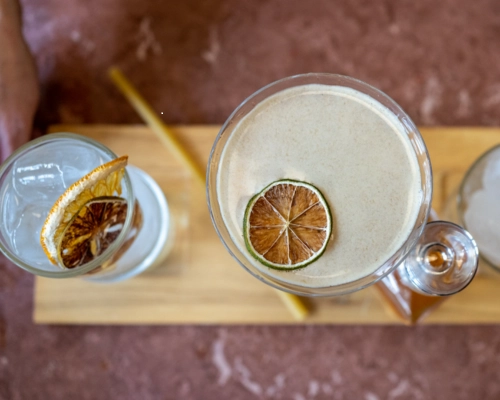
Whether you prefer a simple gin and tonic, a bold Negroni, or a delicate Martini, the art of gin is about balance and creativity. Experiment with different botanicals, tonics, and garnishes to find your perfect serve.
So, pour yourself a glass, take a sip, and celebrate the craftsmanship behind every bottle. Cheers!
Would you like me to adjust the tone or add any specific elements?