
Classic Gin Cocktails – The timeless foundations of Gin mixology
Intro
These cocktails represent the origins of modern cocktail culture. Long before elaborate cocktail menus and creative mixology became common, bartenders relied on a small number of carefully balanced recipes built around quality spirits and simple ingredients.
Gin quickly became one of the most important spirits in this early cocktail tradition. Its botanical character, crisp profile and versatility made it ideal for combining with citrus, vermouth, bitters and other classic ingredients.
Today, classic gin cocktails remain essential in bars around the world. They are admired for their balance, elegance and simplicity, proving that great cocktails do not require complicated techniques or dozens of ingredients.
What defines a Classic Gin cocktail?
These gin cocktails usually follow a few defining principles:
• Balanced ingredients – spirit, sweetness, bitterness or acidity working together
• Simple recipes – often only two or three main components
• Timeless flavour profiles – drinks that have remained popular for decades
• Elegant presentation – often served in traditional cocktail glassware
These drinks emphasize the quality and character of the gin rather than masking it with excessive mixers.
A brief history
The golden age of classic cocktails began in the late nineteenth and early twentieth century, when professional bartenders started documenting recipes and refining mixing techniques.
During this period, gin-based cocktails such as the Martini, the Gimlet and the Tom Collins became widely known. These drinks spread through hotel bars, social clubs and early cocktail books, eventually becoming staples of international cocktail culture.
Although new cocktail trends continue to appear, these classics remain the foundation upon which modern mixology is built.
Why Gin works so well in Classic cocktails
Gin offers a unique advantage in classic cocktails because of its botanical composition. Ingredients such as juniper, citrus peel, herbs and spices naturally complement other traditional cocktail elements.
This allows gin to pair beautifully with:
• vermouth in martini-style drinks
• citrus in refreshing sour cocktails
• bitters in more complex stirred drinks
The result is a spirit that adapts effortlessly to a wide range of classic recipes.
Famous Classic Gin cocktails
Many well-known cocktails belong to this gin family, including:
• Martini
• Gimlet
• Tom Collins
• White Lady
• Gin Fizz
• Negroni
Each of these drinks follows a clear structure that highlights the character of gin while maintaining balance and elegance.
Around the world
These gin cocktails are served in bars across the globe, from historic hotel bars to modern cocktail lounges. Although bartenders often experiment with new ingredients or presentation styles, the original recipes remain widely respected and continue to inspire new interpretations.
A good example of a gin used in classic cocktail styles is shown below.
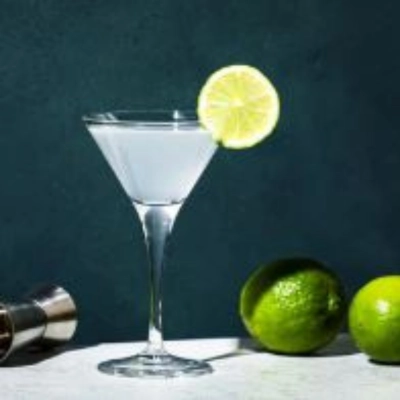
The Gimlet is a timeless classic gin cocktail made with gin and fresh lime juice. Known for its crisp citrus character and elegant simplicity, it remains one of the most iconic gin-based drinks in cocktail history.
Exploring Gin cocktail styles
They demonstrate how a few well-chosen ingredients can create drinks that remain relevant for generations. Their simplicity, balance and elegance continue to influence bartenders and cocktail enthusiasts around the world.
Many modern drinks are built on the same principles established by these classics. By understanding the foundations of classic gin cocktails, it becomes easier to explore other cocktail styles and discover how gin adapts to different ingredients, preparation methods and drinking occasions.
Discover other types of Gin cocktails
Gin cocktails appear in many different styles, each offering its own balance, flavour profile and drinking experience.
• Collins Style Cocktails
• Gin & Tonic
• Highball Cocktails
• Martini Style Cocktails
• Party & Signature Cocktails
• Sour Cocktails
• Spritz & Aperitif Cocktails